Friday, April 21, 2006

Seoul II


The locals were amused by Sebastian, son of Kurt and Andrea Mueller. Sebastian was a celebrity in Korea.


The girls were amused by a Monk with an umbrella and cell phone...

And I was amused with Beth and Stacey celebrating an end to the medical boards!
(I sang a CAKE tribute in honor of Rob and Nancy)

Monday, April 17, 2006

Seoul, Korea

Your husband has just spent two weeks locked in a hotel room studying for his medical boards and how do you celebrate? Well, if you are Beth Haegen, you wait till he gets back from the states and then you hop on a plane with your girlfriends and head for Seoul, Korea...


After lunch at a fancy restaurant, the girls headed to The Gyeongbok Palace.


Built at the beginning of the Chosun Dynasty when the Yi Dynasty moved the capital to Seoul, this palace remained the main seat of power for Korea kings throughout much of the time to the present. Gyeongbok means Shining Happiness. The main gate (Kwanghwa-mun) separates Gyeongbok Palace from one of the busiest areas of Seoul. Gyeongbok Palace was built as the primary palace of the Chosun Kingdom by its founder, King Taejo in 1395, the fourth year of his reign.

It was destroyed during the Japanese invasion of 1592 and left in ruins for over 250 years. Starting in 1865, it was rebuilt to its original grandeur. When Korea was annexed by Japan in 1910, most of the 200 building on the palace grounds were torn down by the Japanese, leaving only a dozen structures.

Thursday, February 09, 2006

Chocolate


Our Last adventure was a visit to the Ishiya Chocolate Factory. We tried some of their famous chocolate cookies called "White Beloved Ones." This cookie is only sold in Hokkaido and it is very famous throughout Japan.


After watching the factory workers put together the chocolate cookies, we got our hands dirty and made our own.


One of the more memorable experiences we had was a trip to a local microbrewery with a friend of mine from the hospital. John and Sarah are recent home-brewers and John came across a web-site for the "Beer Inn Mugishutei (Beer Joint)." This place was owned by Phred Kaufamn. He Has spent the past 25 years in Japan as a resident of Sapporo. Mugishutei ( Beer Joint) was started in June 0f 1980 and with over 300 varieties from over 50 countries has the largest selection of beers in the orient. This place has the feel of the Brickskeller in Washington DC. His selections included Gordon Biersch. Phred was a gracious host.

Wednesday, February 08, 2006

Beer


A trip to Sapporo would not be complete without a trip to the beer museum. In fact, the Sapporo beer museum is the only beer museum in Japan.


Beth had a little too much fun at the museum bar...

Ice Sculpures


The ice sculptures were more elaborate than the snow sculptures. They were displayed in Susukino (the main shopping district). My favorite was a jeep with snow boards on top.


We were not sure who this guy was, but he was popular with the locals.

Tuesday, February 07, 2006

The Sapporo Snow Festival


The 57th Sapporo Snow Festival is one of Japan's biggest winter event of the year, with approximately two million people turning up to view the glittering ice sculptures created by professional artists in spaces all over Odori Park, Makomanai Park and Susukino (the main shopping district).

Few have been more surprised by the current scale of this event than the people who started it all in 1950, when some students left six snow sculptures in Odori Park. This has now grown into an international event, with teams from Japan and all over the world competing in the International Snow Statue Contest, the highlight of the event. Some sculptures are the size of buildings several stories tall.

Below is a replica of the Horyuji Temple. Situated in Ikaruga in Nara, it is the world's oldest surviving wooden structures dating from the 7th century. It was originally built by Prince Shotoku (the son of Emperor Yomei) and Empress Suiko during the Asuka period to fulfill Emperor Yomei's deathbed wish to build a temple and an image of Buddha for the recovery from his illness.


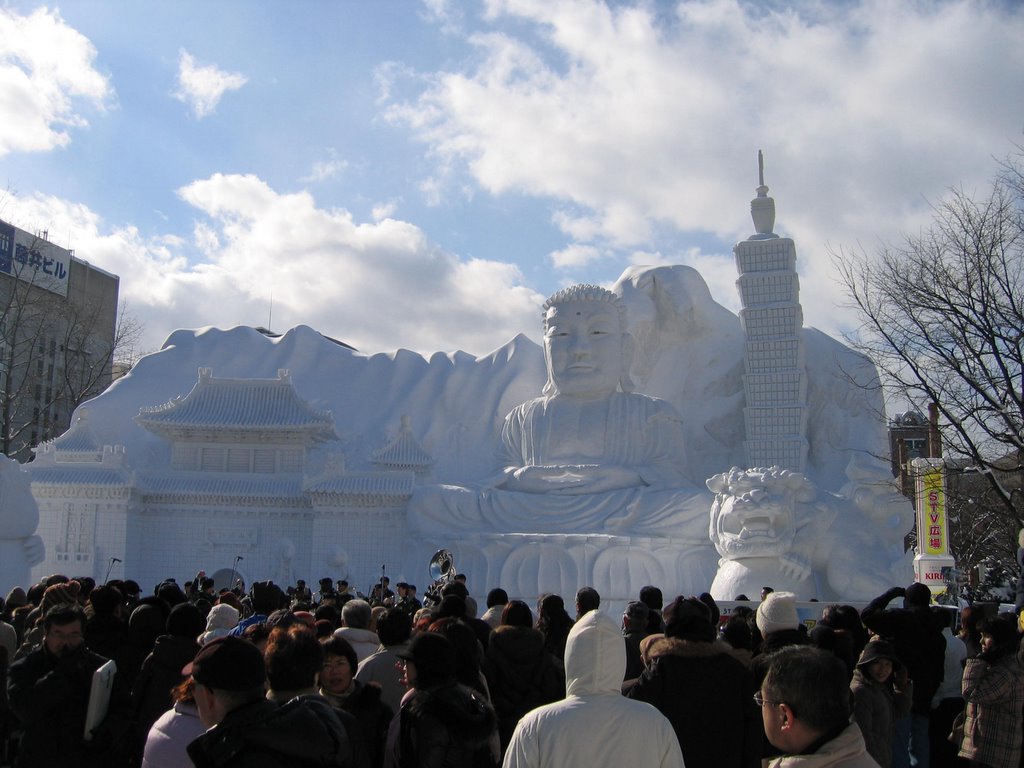
Our favorite snow sculpture was a tribute to Ai Miyazato, a Okinawan professional golfer. Below is a description of the sculpture and what appears to be an advertisement for Okinawa. "Brilliant sunshine" sounded good.


The Lion, the Witch, and the Wardrobe was also very cool...


For more information see:
http://www.snowfes.com/english/place/

Monday, February 06, 2006

Sapporo


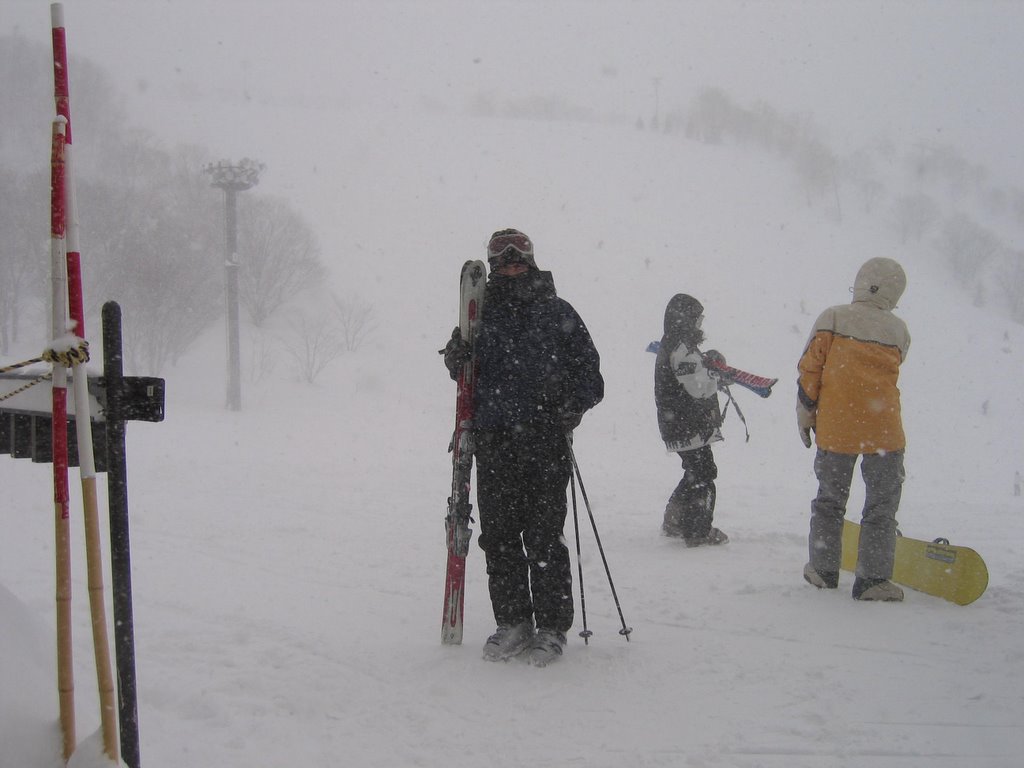
After 3 days of skiing/ Snowboarding, we left Niseko for Sapporo.


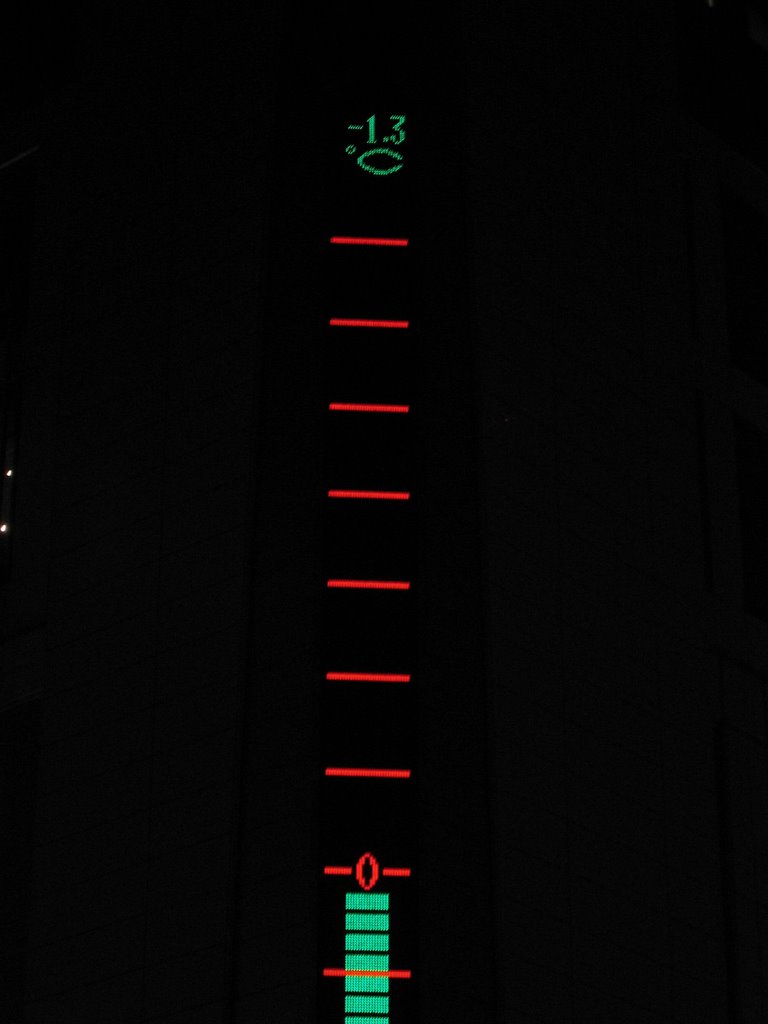
We discovered that Sapporo was no warmer than Niseko, averaging about -2C. This makes Sapporo the perfect place for a Snow Festival...


Friday, February 03, 2006

Niseko


We decided to leave the tropical weather of Okinawa for a ski trip to northern Japan.
Sitting in the southwest corner of Japan's northern island of Hokkaido, Niseko is one of the snowiest places on the planet, receiving well over 500 inches of snow a year. Storms from Siberia pick up a sudden surge of moisture from the Sea of Japan and slam into the 4,000-foot peaks of Niseko.


It seemed like all 500 inches fell during our stay. It made for very good conditions.


Click on photo twice to enlarge...

Sunday, January 29, 2006

Cherry Blossoms


Spring comes early in Okinawa. Beth took advantage of this and visited the Nago Cherry Blossom Festival. Luckily I was on call. Spurred by warmer than normal winter weather, the cherry blossoms were in full bloom in the Nago area. Good timing, too, as this was the weekend for the 43rd Nago Cherry Blossom Festival.

For the Okinawa newcomer, the Cherry Blossom Festival ranks as one of the most beautiful events of the year, with Mother Nature showing her colors with the traditional flowers. Festivities are held at the base of Nago castle, the expansive home to the local Aji chieftain in the 14th century. The area is now Nago Central Park, where thousands of Taiwan cherry trees show their beauty early each year. This year more than 200,000 pink Taiwan cherries are in full bloom.


Monday, January 02, 2006

New Years


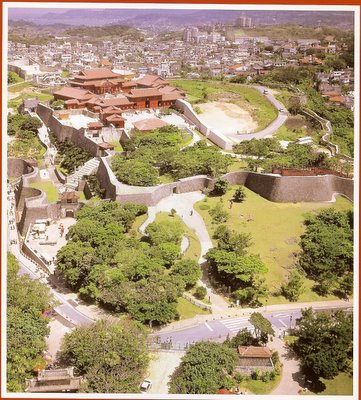
On Jan. 2nd we visited the Shurijo Castle New Year’s Banquet.

This event is a reenactment of the traditional New Year's ceremony originally held early in the morning on New Year's Day ,attended by the king, the royal family, and senior court officials. Court dances and other Ryukyuan dances are performed to add to the New Year mood.

On the main island of Okinawa during the 14th century, three small kingdoms were formed and battles for supremacy developed. At the beginning of the 15th century, Shisho and his son Sho Hashi, from a powerful family in the southern part of the island, began to conquer the other rival states and in 1429 succeeded in unifying the Ryukyu islands. It is believed that during the process of unification he made the Shuri area his base. From that time until the establishment of the prefectural administrative system in 1879, Shurijo Castle was the center stage of the kingdom's history.

After unification of the Ryukyus by Shisho and his son Sho Hashi, Shurijo Castle became the center of the kingdom's government. Furthermore, the castle fulfilled a central role in the development of the kingdom's crucial trade links with China, the Japanese mainland, Korea, and many of the countries of Southeast Asia.

During World War II, Shurijo Castle was burned to the ground in the fierce Battle for Okinawa. A local Okinawan awareness movement and petitions made to the government in the 1980s resulted in the completed reconstruction of Shurijo Castle opening to the public in 1992.

For more information see:

http://www.wonder-okinawa.jp/001/index-e.html

http://www.s-breeze.com/rakuen/syurijoE.html


Sunday, December 25, 2005

Merry Christmas!

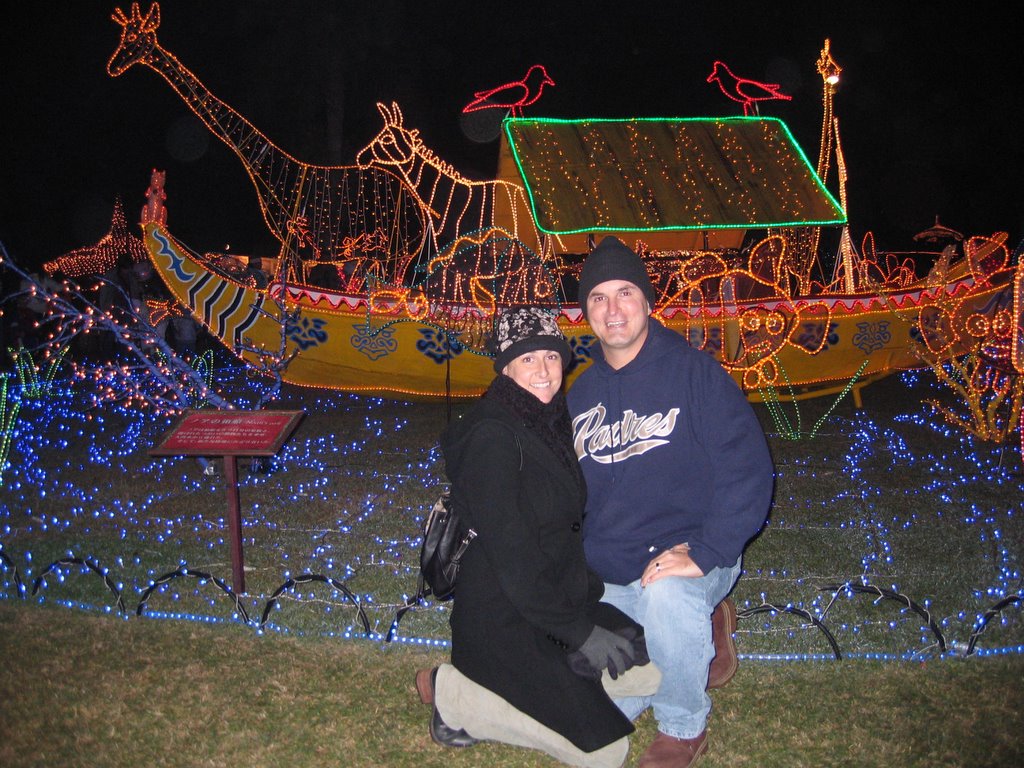
To get into a seasonal mood, we attended a Christmas celebration at the Okinawan Botanical Gardens. This light show gave us great ideas for future outside decorations at home.